


Owning a home can be very expensive and it’s easy to spend more than you are bringing in. Variables such as your job, the time of year, the type of house you have and who your energy supplier is can have a huge impact on your spending. We all need to live and there are certain expenses that cannot be avoided, however there are many ways that you could be losing out on money. Follow this guide to learn how you can save money on your energy bills.
Shop Around for a Better Deal
Energy Suppliers change their offers all the time so it’s good practice to look into other suppliers at least every three years. The likelihood is you will be able to get more for your money elsewhere. You should try using a price comparison website to shop around. If you have recently changed, then ensure you are on the cheapest, most suitable tariff for your home. In addition, the payment method could be affecting your overall costs. The best method is monthly direct debit.
Use Energy saving Light Bulbs
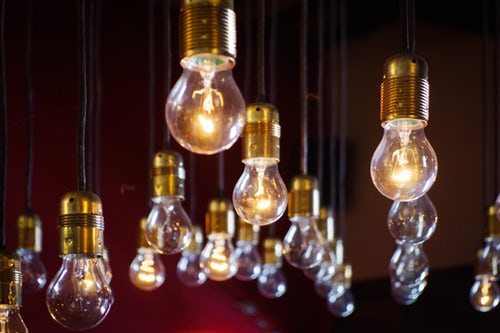
An LED bulb costs just under £2 but could save you just short of £200 throughout its lifetime, which is a lot longer that the lifetime of a traditional bulb. LEDs are the most energy efficient offering 25,000 hours compared with 1000 hours offered by typical light bulbs. On top of switching the type of light bulbs you use, you can also adopt the simple habit of turning lights out when not in use. Many people are guilty of “forgetting” to turn out lights, however you are simply wasting money by lighting a vacant room on a daily basis.
Use Other Energy Efficient Appliances
Understandably, the cost of the appliance itself weighs in on your purchasing decision. Yet, if you knew how much money you could save over time by choosing a more energy efficient model you may reconsider spending more.

Monitor Your Energy Usage
Energy savings can seem confusing for those who aren’t used to considering these variables which is why it is much easier to get an energy monitor. This is a simple handheld gadget that calculates in real time how much energy you’re using (with each appliance and room) so that you can understand where you can cut back.
