
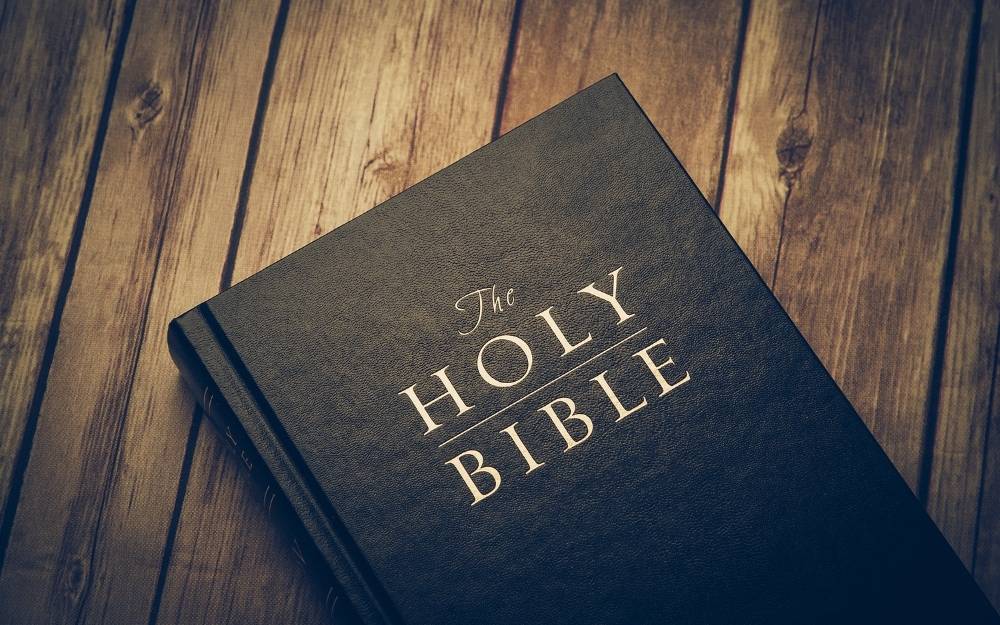

Owning an antique bible is often described as holding a tangible piece of human history in your hands. These sacred volumes represent more than just religious devotion; they are masterpieces of early printing, examples of exquisite craftsmanship, and witnesses to the evolution of the English language. For many collectors in the United Kingdom and beyond, the pursuit of a rare edition is a journey into the past, where every foxed page and hand-tooled leather binding tells a unique story of survival and reverence.
The fascination with an antique bible often begins with its physical presence. Unlike modern mass-produced books, early printed Bibles were often bespoke works of art. From the heavy vellum pages of the 15th century to the intricate brass clasps of the Victorian era, these books were designed to last for generations. They were often the most prized possession in a household, frequently used to record significant family events such as births, marriages, and deaths, making them invaluable genealogical artefacts.
Historical Significance of Early Printed Editions
To understand the true value of an antique bible, one must appreciate the historical context in which these books were produced. The invention of the printing press by Johannes Gutenberg in the mid-15th century revolutionised the accessibility of the scriptures. Before this, Bibles were painstakingly hand-copied by monks, making them accessible only to the extremely wealthy or the clergy. The transition to print allowed for a wider dissemination of ideas, which ultimately fuelled the Reformation and changed the course of European history.
In the British Isles, the desire for a Bible in the common tongue led to several landmark translations. Each of these editions is now highly sought after by collectors who recognise their cultural and linguistic impact. Some of the most notable historical milestones include:
- The Tyndale New Testament: The first English translation to be printed, which laid the foundation for many subsequent versions.
- The Coverdale Bible: The first complete printed translation of the Bible into English, appearing in 1535.
- The Geneva Bible: A favourite of the Puritans and the first to use numbered verses, often referred to as the Breeches Bible due to its unique translation of Genesis.
- The King James Version: Commissioned by James I and first published in 1611, this remains perhaps the most influential book in the history of the English language.
Factors That Determine the Value of an Antique Bible
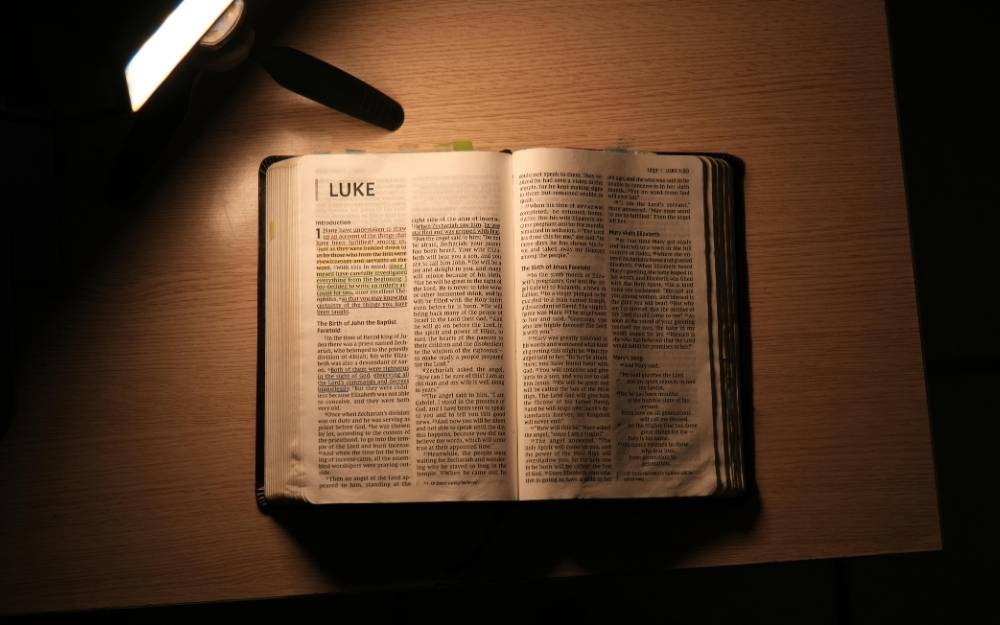
When assessing the worth of an antique bible, several factors come into play. It is not merely the age of the book that determines its market value, but rather a combination of rarity, condition, and historical importance. A 19th-century family Bible may have immense sentimental value but might be quite common in the trade, whereas a fragmented 16th-century edition could be worth a significant sum due to its scarcity.
Collectors and appraisers typically look for the following elements when evaluating a volume:
- Completeness: A Bible is significantly more valuable if it contains all its original leaves, including the title page, which is often the first part to be lost or damaged.
- Provenance: If the book has a documented history of ownership by a notable figure or was part of a famous library, its value increases.
- Binding: Original contemporary bindings are highly prized. A Bible still in its 17th-century calfskin or morocco leather is far more desirable than one that has been rebound in modern materials.
- Illustrations: Bibles featuring woodcuts, copperplate engravings, or hand-coloured maps are particularly attractive to those who appreciate the aesthetic side of bibliophilia.
The Importance of Condition and Preservation
The condition of an antique bible is paramount. Because these books were meant to be used, they often show signs of heavy wear. While some age-related wear is expected, significant issues like mould, heavy staining, or missing pages can drastically reduce the value. Professional restoration can sometimes help, but purists often prefer a book in its original, albeit worn, state rather than one that has been over-restored with non-period-accurate materials.
Preservation is an ongoing responsibility for any collector. To maintain the integrity of the paper and leather, it is essential to store these volumes in a stable environment. Fluctuations in temperature and humidity can cause the leather to crack or the paper to become brittle. Keeping books away from direct sunlight is also crucial to prevent the fading of ink and the degradation of the binding fibres.
Navigating the Market for Rare Religious Texts
For those looking to begin or expand their collection, the market for an antique bible can be complex. It is vital to source items from reputable dealers who specialise in antiquarian theology and early printing. These experts can provide the necessary assurances regarding the authenticity and provenance of a volume. Many collectors choose to focus on a specific niche, such as Bibles printed in a certain city, those featuring specific translations, or editions known for famous typographical errors.
The world of book collecting is also filled with fascinating anomalies. For instance, the so-called Wicked Bible of 1631 is famous because the word “not” was omitted from the commandment “Thou shalt not commit adultery.” Such errors make certain editions incredibly rare and highly prized by those who enjoy the quirks of printing history. Understanding these nuances requires time and research, but it adds a layer of excitement to the acquisition process.
Identifying Authentic Features in Early Bibles
When examining a potential addition to your library, pay close attention to the typography and the paper. Early Bibles were printed on handmade rag paper, which has a distinct texture and often features watermarks. The presence of “chain lines” from the paper-making mould is a good indicator of age. Furthermore, the use of Gothic blackletter type was common in early English Bibles, eventually giving way to the more legible Roman type that we are familiar with today.
Another area to investigate is the presence of marginalia. Handwritten notes from previous owners can offer a glimpse into how the Bible was studied and used throughout the centuries. While some collectors prefer pristine copies, others find that these personal touches add a layer of human connection to the artefact, making the antique bible feel like a living piece of history rather than just a museum object.
The Spiritual and Aesthetic Legacy of the Written Word
Beyond the financial and historical aspects, the appeal of an antique bible often lies in its spiritual significance. For many, these books represent a steadfast link to the faith of their ancestors. The weight of the book, the scent of the ageing leather, and the visual beauty of the typography create a multi-sensory experience that modern digital versions simply cannot replicate. In an increasingly digital world, the permanence of a centuries-old printed book offers a sense of stability and continuity.
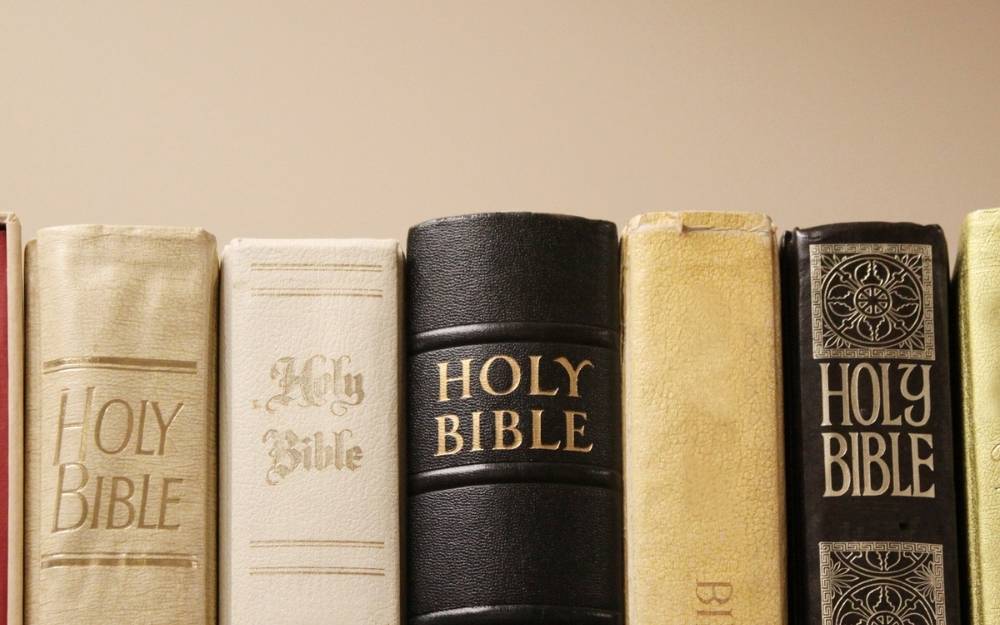
Whether you are a scholar of linguistics, a history enthusiast, or a devoted collector, the world of antique Bibles offers endless opportunities for discovery. Each volume is a testament to the effort and skill required to produce the written word in centuries past. By carefully selecting and preserving these works, collectors ensure that the legacy of the most influential book in history remains intact for future generations to study and admire. The hunt for a specific edition can take years, but the reward of finally placing that rare volume on your shelf is an experience unlike any other in the world of book collecting.
